Minutes after a treatment, a patient sits up, glances in the handheld mirror, and asks the question every injector knows is coming: Will it look natural when it settles? The honest answer depends less on the product in the vial and more on the training in the hands that placed it. Technique, assessment, dilution, depth, even the tone of the consultation shape results more than most people realize. After years watching new and seasoned clinicians work, auditing outcomes across clinics, and correcting the occasional misfire, I have seen one theme hold steady: training predicts consistency, and consistency predicts satisfaction.
What training actually covers, and why it matters in practice
Training for a botox injection specialist is not a single weekend course. The baseline is licensure, then supervised injection hours, then structured curriculum on facial anatomy, pharmacology, contraindications, aseptic technique, and complication management. The best programs go further with patient assessment frameworks and scenario drills: asymmetrical brows, post-injury scarring, prior filler migration, bruxism, high forehead with short frontalis, or heavy lateral orbicularis patterns that complicate botox shots for crows feet.
In a classroom, zygomaticus major is a Latin noun. In a live case, it decides whether a smile looks genuine. Training turns map knowledge into field judgment. For example, two patients with similar frown lines can carry different risks. One relies on frontalis to lift heavy lids. Another has a strong procerus that tethers a deep 11. A trained botox specialist learns to dose the corrugator and procerus carefully while preserving enough frontalis lift for the first patient, and can go slightly firmer on the second. That is not a product decision, it is a planning decision.
The anatomy gap: millimeters decide months
Consumers hear units and timelines. Injectors live in millimeters and layers. Botox shots for forehead lines sit in the superficial third of the frontalis, but depth varies along the muscle, and the muscle’s height can change with age or genetics. Put product too deep and you chase the periosteum with no functional effect. Too superficial and you risk spread that flattens expression. Training emphasizes tactile feedback and needle path control at each site. A quarter millimeter drift can tilt a brow.
Crow’s feet are another case. The orbicularis oculi is not a single band. Lateral smile lines, jelly roll along the lash margin, and infraorbital crinkling respond differently. A trained botox injection expert differentiates between treating the lateral canthal fan and softening a jelly roll. The first uses lateral points in the dermal-subdermal interface. The second needs careful, very superficial placement or a different strategy if scleral show is present. Without that nuance, you trade lines for a watery eye or an odd blink.
Assessment sets the ceiling on results
Every great outcome begins before the syringe is uncapped. At a proper botox injection consultation the injector studies the face in rest and in motion: brow raise, frown, wide smile, gentle smile, squint, jaw clench, and nasal scrunch. They note baseline asymmetries. They palpate muscle bulk at the tail of the brow and the masseter angle. They check lid position and frontalis recruitment during a slow brow raise. They ask about headaches, eye strain, dental grinding, and favorite workouts, because a patient who lifts heavy or does hot yoga five days a week often metabolizes faster.
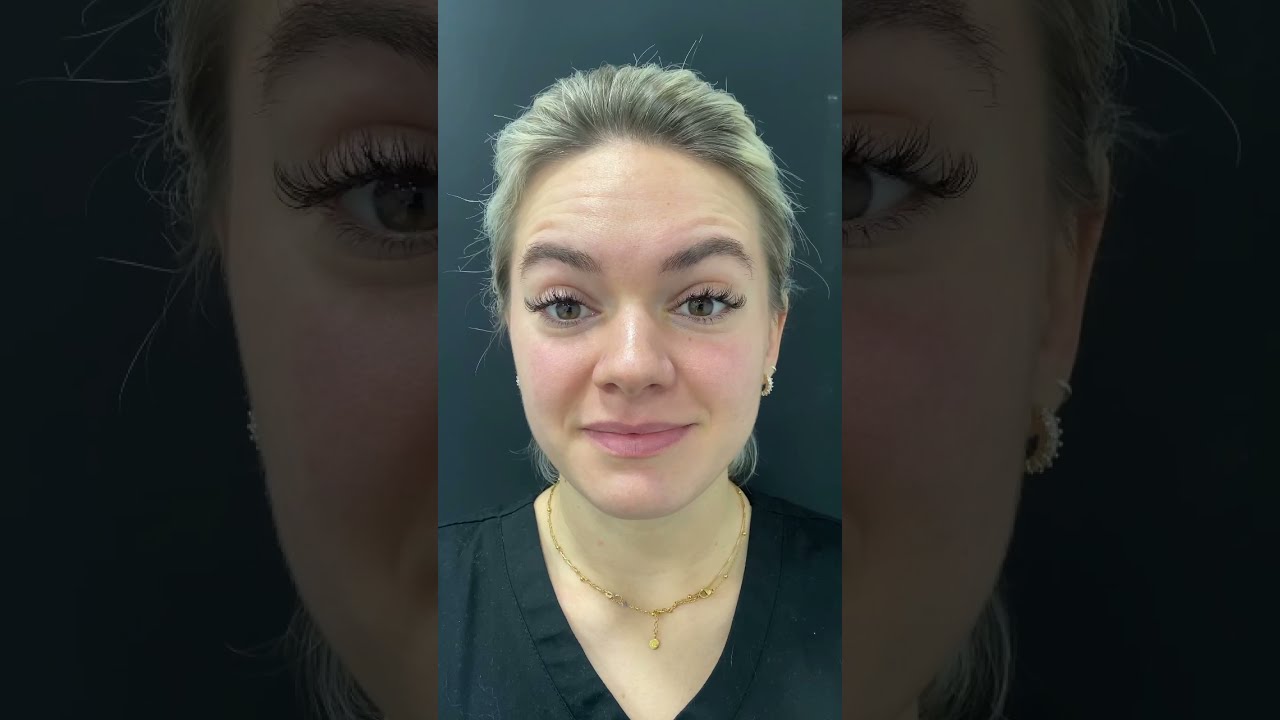
A trained clinician builds a dose map from these details. A 34-year-old with thin skin and early etching across the glabella may get 16 to 20 units with strategic dilution. A 48-year-old with deep 11s, strong corrugators, and a history of rapid metabolism may need 22 to 28 units, split into more sites with micro-aliquots to spread effect without a blocky look. Same area, different plan. Training gives the ability to justify that plan and to explain trade-offs clearly before the botox injection appointment begins.
Product knowledge is table stakes, not the whole table
Whether the clinic stocks cosmetic botox injections alone or multiple brands of injectable wrinkle relaxer, the pharmacology is similar, but the proteins, diffusion profiles, and onsets are not identical. Training covers reconstitution volumes, needle gauge selection, and the relationship between dilution and spread. A common myth says more saline equals more spread. That is a partial truth. Spread depends on dose per site, injection depth, muscular activity, and local anatomy. A trained botox injection provider uses larger dilution to allow micro-dosing across more points in certain areas, not to push product farther than needed.
With preventative botox injections, for instance, smaller doses placed with precision in early motion lines can delay etching. Patients often do better with 6 to 10 units across a tailored map than with a single heavy-handed deposit. The technique belongs to the injector more than the bottle.
The quiet art of “just enough”
Patients ask for natural looking botox because they fear a frozen face. The antidote is not less product everywhere, it is the right product in the right place, leaving key elevators functional. A soft botox approach starts by preserving medial frontalis function to avoid brow flattening, then relaxing lateral fibers that cause forehead rippling. In the glabella, it tempers the procerus and corrugators while respecting any reliance on frontalis for lid support. For the crow’s feet, it softens the fan without suppressing a genuine smile.
Training teaches that a brow has two conversations going at once: elevators pull up, depressors pull down. If you silence the wrong speaker, the dialogue turns strange. A conservative botox treatment is not timid. It is specific. It can produce balanced botox results by staging treatment in two sessions, with a planned touch-up at two weeks. This split dosing minimizes overcorrection and builds patient trust.
Complication avoidance is a learned reflex
Every injector eventually encounters a surprise. A brow that drifts, a smile that tightens on one side, a lid that feels heavy. The difference is how quickly it is recognized and corrected. Training sharpens recognition of early warning signs. If the lateral tail of the brow drops after forehead treatment, an experienced botox provider knows to look for unopposed orbicularis pull and may place a micro-aliquot into the lateral brow depressors to re-balance. If a patient reports a heavy eyelid, proper documentation of injection depths and vectors helps determine whether outreach, observation, or a temporary apraclonidine drop is indicated.

The patient experience in a clinical botox provider’s office benefits when the injector normalizes follow-up. A scheduled review at day 12 to 14 catches asymmetries early. Small adjustments, often 2 to 4 units in targeted botox injections, fine-tune results without stacking excess dose. Routine botox injections managed this way age well across the year.
Precision is repeatable, not accidental
When injectors talk shop, they compare maps, units, and intervals. I listen for process. Does the injector mark in dynamic state? Do they palpate for muscle border shifts as the patient moves from frown to gentle scowl? Do they track prior dosing and the seasonality of wear-off? Precision botox injections do not rely on perfect memory. They lean on consistent measurement: distances from bony landmarks, pupil alignment, skin pinch tests to gauge thickness, and slow plunger control to avoid bolus recoil.
In a botox injection practice with high patient volumes, pressure can erode process. Training fights that drift by building habits. Aspirate where indicated, angle the needle to match fiber direction, pause to watch for blanching or early wheal where it does not belong, then adjust. Quality control comes from the small pauses that protect a big outcome.
Customization separates skill from script
Templates work for learning. Real faces need custom botox injections. Consider the patient who raises one brow in conversation and drops the other while concentrating. A scripted forehead plan will exaggerate that quirk. A trained injector uses personalized botox injections, placing slightly different units and depths per side and, if needed, staging the heavier side at the touch-up.
Another example: the athlete with strong masseters from clenching and lifting. They are seeking softer lower face lines and less tension. An aesthetic botox expert verifies occlusion patterns, palpates for trigger points, and starts with modest bilateral dosing to avoid chewing fatigue. They also counsel on wear timelines, often 3 to 4 months at first, then extending to 5 to 6 months as the muscle deconditions. That combination of custom planning and expectation setting avoids the disappointment that follows a one-size-fits-all approach.
Longevity: training influences how long results last
Patients love long lasting botox injections, but duration is a partnership between biology and technique. Metabolism, muscle mass, activity level, and dose all matter. So does placement. Units lost to unnecessary spread or placed in nonfunctional zones do not contribute to duration. In forehead work, for example, five micro-aliquots well placed can outlast three heavier points poorly placed, even at the same total dose. Dilution that enables a dotted, perimeter strategy often beats a concentrated central injection that risks a shelf-like demarcation as it fades.
Maintenance botox injections should not be calendar-stamped blindly. A trained injector adapts intervals based on the patient’s pattern. If a patient begins to recruit adjacent muscles at month three, a small maintenance session that shores up the original map can extend the overall arc without escalating total annual dose. That strategy reduces peaks and troughs, which many patients prefer for a steady, subtle look.
Communication skills predict satisfaction as much as needles do
Technical skill solves problems. Communication prevents many of them. At a proper botox injection office visit, the injector explains likely onset and peak. Most see changes by day three to five, with full effect at two weeks. They discuss the feel of mild heaviness in the first days, especially after glabellar treatment, and how it usually resolves as the brain adjusts to new muscle patterns. If a brow is naturally low, they review how limited frontalis dosing preserves lift.
Patients seeking botox shots for anti aging often arrive with blended goals, part wrinkle reduction, part skin smoothing, part prevention. Training in consultation helps decode those goals into treatment stages: injectable facial smoothing first, then skincare or energy-based resurfacing later if static lines persist. When the plan is framed this way, the patient understands what botox does well, what it cannot do, and what belongs to a different category of care.
Case examples from the chair
A first time botox treatment for a 29-year-old professional with strong 11s during concentration, early forehead lines, and minimal crows feet. She feared a flat look on video calls. We mapped 14 units across corrugators and procerus with careful lateral sparing, and 6 units at the lateral frontalis to quiet ripples while preserving lift. At the two-week review, we added 2 units to the left corrugator to match the right. She reported easier makeup application and a more rested look, no comments from colleagues. That is a win for subtle botox results, built on restraint and staging.
A 52-year-old runner with etched forehead lines and strong lateral smile lines sought combined rejuvenation. We split care into two phases. Phase one: expert botox injections to the glabella, conservative frontalis dosing to avoid lid heaviness, and gentle lateral orbicularis points. Phase two, six weeks later: a light resurfacing treatment for static forehead etching that botox alone cannot lift. His outcome read as refreshed rather than overworked because each tool did its job.
A 41-year-old with asymmetrical brows after treatment at a discount event came for correction. Photos showed lateral brow depression from overtreated frontalis. We allowed partial wear-off, then used strategic botox placement in the lateral brow depressors and a micro-dose to the medial frontalis to re-balance. It took patience and two visits, but training in corrective mapping matters as much as initial planning.
Safety culture inside the botox injection center
What a patient does not see shapes outcomes too. Cold chain integrity from delivery to the botox injection office fridge affects potency. Reconstitution technique and sterile handling reduce contamination risk. Needle selection, usually 30 to 32 gauge for facial work, impacts comfort and precision. A clinical botox provider builds redundancy: double-checking vials and patient charts, marking no-go zones for patients with known brow ptosis risk, and documenting exact points for future reference.
Emergency protocols are part of real training even though botulinum toxin has a strong safety profile in cosmetic doses. Informed consent is more than a form; it is a shared understanding of rare events, from headache to transient eyelid droop. A trusted botox injector also knows when to say no. If a patient requests aggressive static line erasure with toxin alone, the ethical answer directs them toward adjunctive treatments rather than overshooting doses.
The role of experience: when speed does not mean hurry
Experience refines timing. An experienced botox provider can complete a glabella and forehead in a few minutes, but that speed reflects decades of repetition and careful mapping, not haste. They still pause between sites, watch dynamics, and adjust hand pressure. Newer clinicians often benefit from slower, methodical placement and detailed photography.
With experience comes a library of faces. You remember that the software engineer who reads code late at night recruits frontalis differently than the yoga teacher whose expressive range sits in the eyes. You remember that one patient who metabolizes in nine botox injections near me weeks every spring during marathon training. That memory informs dose and follow-up. Training opens the door. Repetition furnishes the room.
Pricing and value: why cheaper is rarely cheaper
People compare prices between a botox injection clinic and a boutique medspa down the block. Lower per-unit costs sound good, but the true cost is dose accuracy plus outcome longevity plus satisfaction. Overdosing cheap units to chase a result erases any savings. Under-dosing to keep a session price pretty means a short-lived result and frustration. The best value comes from a licensed botox professional who doses correctly, documents well, and stands behind a follow-up plan.
A strong botox injection center is transparent about units used, areas treated, and expected timing for maintenance botox injections. They do not hide behind “one area” packages that quietly under-treat complex foreheads. They also decline to push add-ons that will not move the needle for that face.
How to vet a provider without guessing
Patients often ask how to choose the right botox injection provider when options blend together online. Here is a tight framework that respects your time.
- Ask who performs injections, their license, and how many years and approximate cases per month they complete. Specifics matter more than titles. Request to see unfiltered before and after photos of patients similar to you in age, skin type, and muscle activity. Look for movement in the afters, not just stills. Ask about their protocol for two-week follow-up and touch-ups, and how they document dosing for future visits. Discuss your unique concerns and listen for a customized plan, not a set package. Note how they handle your questions. Clarify pricing by units and by area, including what happens if minor adjustments are needed.
This list is not about catching someone out. It is about confirming the presence of training, process, and accountability.
Special scenarios demand advanced training
There are cases where foundational skill is not enough. Post-blepharoplasty patients, for example, require conservative frontalis work to protect lid function. Patients with preexisting brow ptosis need careful mapping of brow depressors. Those with a history of Bell’s palsy or facial nerve asymmetry require a lighter touch and staged correction. Smokers may have compromised skin quality that exaggerates bruising and affects visual outcomes.
Medical botox injections for bruxism or migraine are a different discipline than cosmetic forehead work. A physician guided botox plan for masseters involves knowledge of occlusion, parotid location, and the risk of smile changes if the risorius is inadvertently affected. Training in these patterns helps avoid chewing fatigue, parotid trauma, or facial asymmetry.
The patient’s role in success
A good injector can only work with the canvas in front of them. Your choices affect results.
- Arrive at the botox injection appointment well hydrated, and avoid heavy alcohol, NSAIDs, or supplements that increase bleeding for 24 to 48 hours unless advised by your physician. Come without heavy makeup so skin prep is thorough. Expect a few small bleeds or wheals that resolve quickly. Follow post-care: no rubbing or heavy pressure on treated areas for the first few hours, no face-down massage that evening, and moderate exercise choices the day of treatment. Track your onset and wear-off dates across a few cycles. Share them at visits to refine your plan. Consider adjunctive skincare if static lines persist after several cycles. Toxin treats motion lines. Texture and etched lines often need resurfacing or collagen-stimulating strategies.
Patients committed to this partnership typically achieve refined botox injections that look good not just at two weeks, but across months and years.
Setting expectations around first sessions
A first session is a conversation in two acts. Act one is the initial treatment with a soft target. Act two is the two-week review and micro-adjustment. New patients often require fewer units than they think in some areas and more in others. Training guides this titration. If you aim for perfect at visit one, you risk overshooting. Better to land at 85 to 90 percent, then adjust with a few units for truly customized wrinkle injections.
This staged approach is not a sales tactic. It is how you earn clean smiles, brows that lift where they should, and eyes that crinkle softly without deepening static lines. It is also how you build a dosing record that supports long-term, balanced botox results.
Where training shows up on the face
People often ask how to tell, in a photo or mirror, whether training made the difference. Look for three signs.
First, transitions, not borders. The forehead should not have a hard line where movement stops. A trained injector creates a gradient.
Second, preserved expression. You should still look curious when you lift your brows, simply without creases that distract.
Third, symmetry in motion, not just at rest. Smiles should rise evenly. Squints should soften lines without flattening the eyes’ warmth. These are hallmarks of expert botox injections.
Choosing a setting that supports good care
Whether you book at a botox injection clinic, a dermatology practice, or a plastic surgery office, the setting must support sterile technique, careful documentation, and privacy. A high-quality botox injection center encourages questions, maintains product logs, and tracks batch numbers for every patient. They welcome pre-treatment photography and consent that spells out risks and alternatives.
If you prefer a small botox injection office with a single injector, look for depth of experience and a clear contingency plan when the injector is away. If you choose a larger botox injection practice, ask how they ensure consistency across injectors and whether you can request the same provider at each visit. Either way, the environment should feel professional, with proper lighting, adjustable chairs that support posture, and sharps safety in view.
Why less drama leads to better aging
A steady plan beats a cycle of big corrections. Patients who plan routine botox injections two to three times a year, adjusted for metabolism and season, often maintain smoother skin texture and more stable contours. This rhythm allows for minor tweaks as facial dynamics evolve with age. It also controls total annual dose by avoiding heavy catch-up sessions that chase deepening lines.
For those considering long term injectable aging prevention, pairing toxin with a disciplined skincare program and sun protection will contribute as much to a youthful appearance as any single session. Training equips an injector to outline a simple, durable plan instead of layering too many interventions.
Putting it together
Training shows up in small choices that add up: how the injector reads your brow when you lie down versus when you sit upright, how they adjust depth near a scar, how they explain that your left zygomaticus lifts a beat faster than your right. It shows in the map drawn with a removable pencil, in the measured plunger pressure, and in the calm follow-up two weeks later when tiny adjustments bring everything into alignment.

If you are searching for a licensed botox professional, look beyond hashtags and heavy filters. Sit for a careful exam. Ask to talk through the plan. Favor the injector who explains what they will not do as clearly as what they will. That is the person who can deliver a professional botox treatment that keeps you recognizable to the people who know you best.
Skill will not make you look like someone else. It will make you look like the version of yourself that slept well, laughed often, and did not carry a frown through meetings and commutes. That version comes from training, not luck, and from a partnership built on clarity, precision, and a quiet respect for the millimeters that matter.